
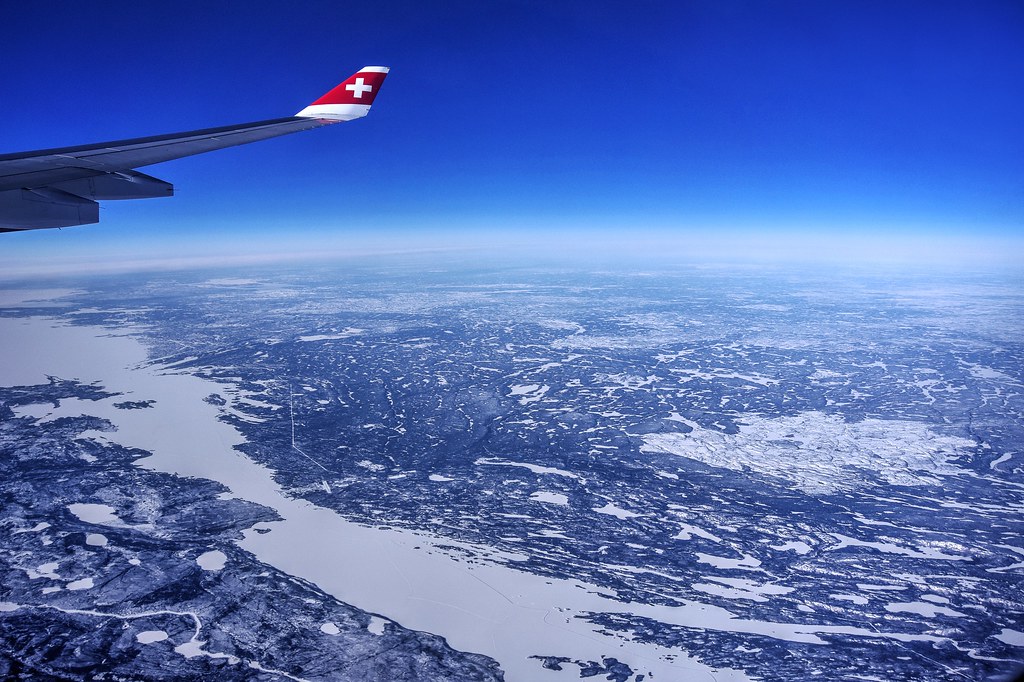
In northern Canada the earth is not very fertile and almost the entire region, known as «sterile lands», is covered by the tundra.
In the part that is further away from the pole, the vegetation of the tundra ecosystem includes low scrublands, pastures and seditions. In the regions located further north, the polar desert plants cover less than a tenth of the soil surface.
Alaska to Terranova
To the south of the boundary of the tree vegetation, the boreal region forms one of the largest coniferous forests in the world, which extends from the Alaska region to Terranova.
Eastern forests, from large lakes to the coast, are extremely heterogeneous. Among them are sugar maple, beech, birch, pines and cicutas.
But the low plains of the southern end are covered by wide -leaf trees forests, such as American Nogales, Robles and Olmos, who grow there next to chestnuts, maple and walnut. In the western mountains, the piceas, douglas and coastal pines are common, while in the plateaus they grow alamos tremons and yellow pines.
On the coast of the Canadian Pacific Ocean, due to the high rainfall, there are the most imposing forests in the world, dense and high ranks of Douglas, Western Red Ceders and Cicutas.